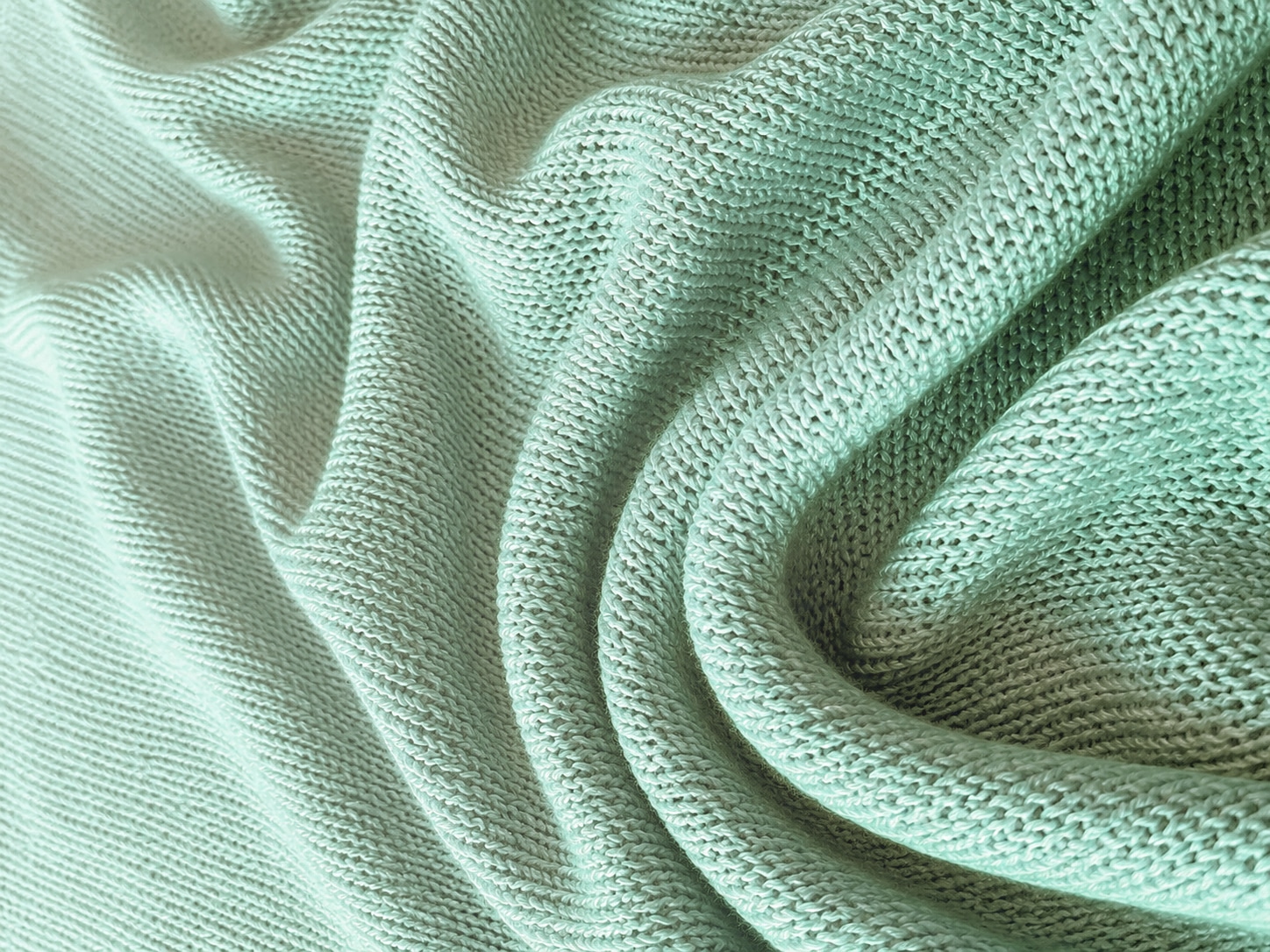
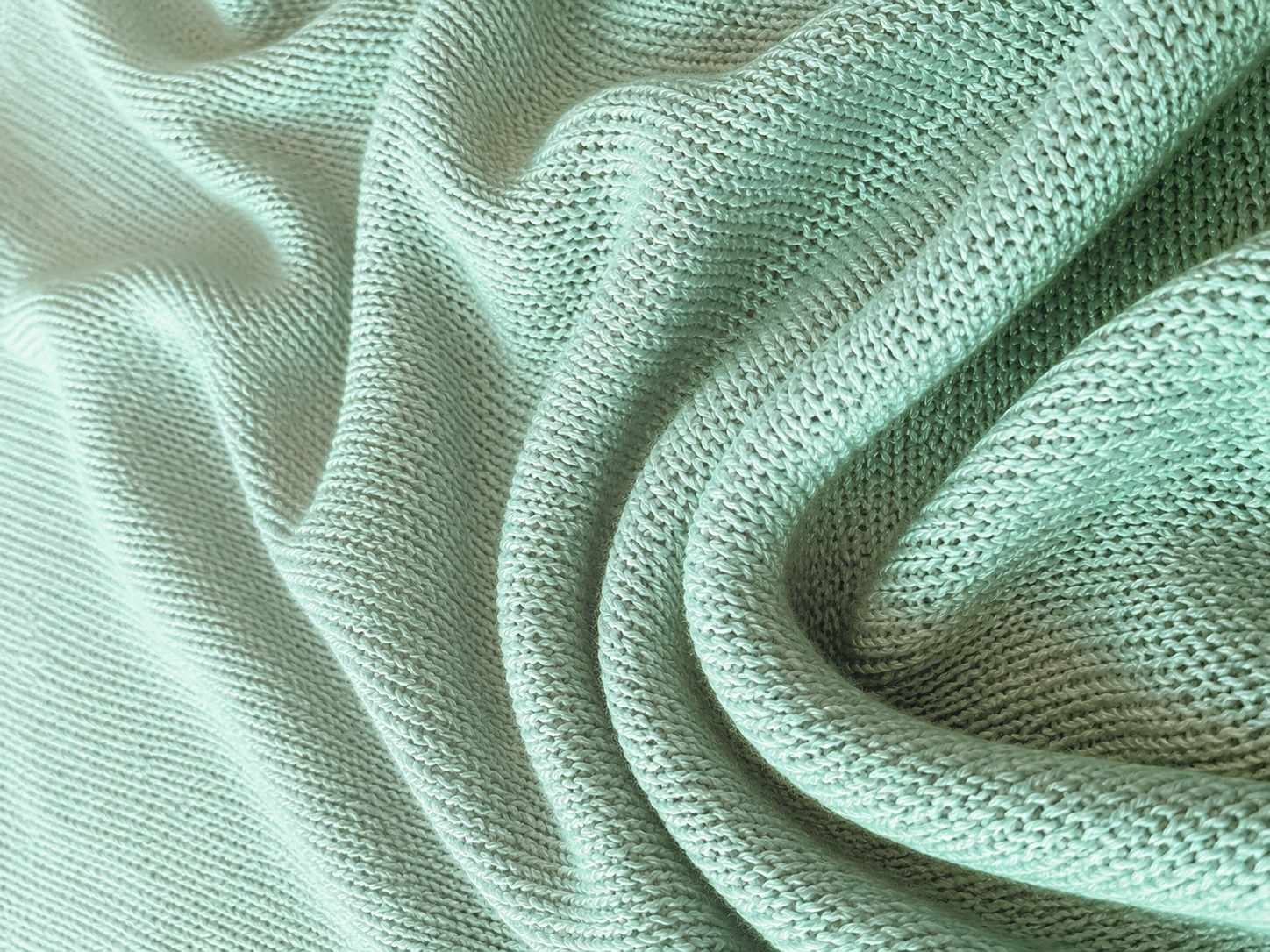
Lightweight, soft, and beautifully lustrous—what you’re touching may not be silk, but sugarcane.
Sugarcane fiber is obtained through a chemical process that produces cellulose xanthate, which is then transformed into a viscous solution and spun into fine textile fibers. That’s how our Sugar yarn was born, bringing silkiness, softness, and a fresh, cool touch.
Why choose sugarcane?
- Exceptional softness
Smooth and gent - le on the skin, offering a luxurious silk-like feel.
- Beautiful drape
Flows elegantly over the body, enhancing the silhouette without clinging. - Breathable and moisture-absorbing
Ideal for warm weather, allowing air to circulate while keeping the skin dry. - Easy to dye
Absorbs color effortlessly, resulting in vivid and long-lasting shades. - Versatile
Blends easily with other fibers, enabling a wide range of textures and styles. - Affordable
A cost-effective alternative to silk with a similar aesthetic appeal. - Protection from UV rays
Sugar cane provides a good coverage from UV rays, that makes it perfect for summer and for kids.
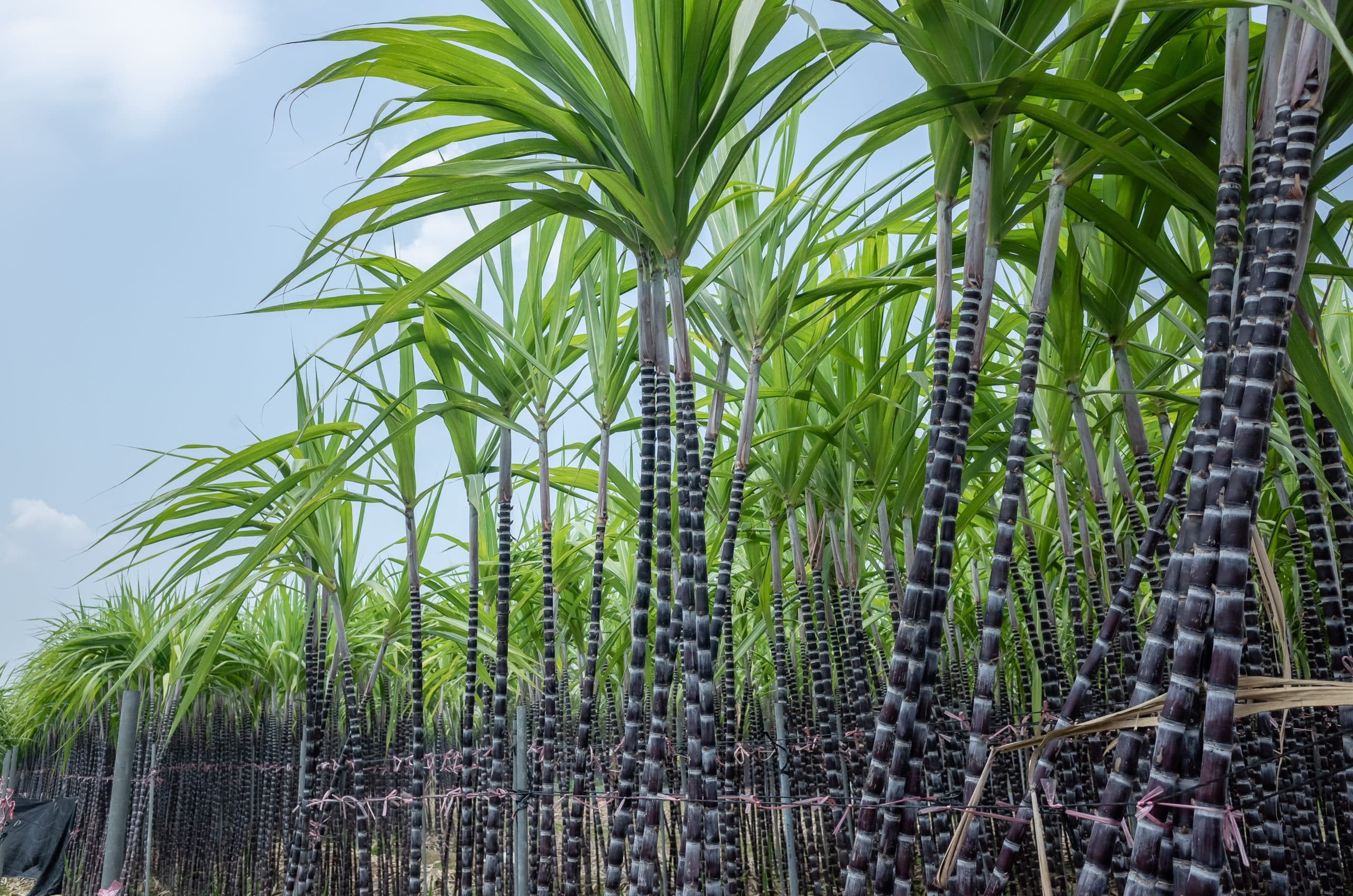
Sugarcane-derived yarn is also eco-friendly.
The main environmental benefits of sugarcane are:
- Renewable raw material
Sugarcane grows quickly and regenerates annually, unlike fossil-based resources or slow-growing forests. - Reduced pressure on forests
Using sugarcane residues or by-products can decrease the need to harvest trees for cellulose production. - Valorization of agricultural waste
By-products from sugar production (such as bagasse) are often used, reducing waste and supporting a circular economy. - Potentially lower carbon footprint
Sugarcane absorbs CO₂ as it grows and, when managed sustainably, can contribute to lower overall emissions. - Biodegradability
Like other types of viscose, it is a natural-based fiber and can biodegrade under appropriate conditions. - Efficient land use
Sugarcane provides high yields per hectare, making it an efficient source of cellulose.
Drawbacks
- Weak when wet
More prone to stretching and damage when soaked. - Shrinkage risk
Improper washing (hot water or high spin cycles) can cause significant shrinkage. - Delicate over time
Requires careful handling to maintain durability. - Sensitive to heat and light
Colors may fade and fibers may weaken under high temperatures. Always iron at low heat with protection.
Care instructions: Always hand wash in lukewarm water and avoid wringing the garment too tightly. Do not tumble dry or dry in direct sunlight. Handle and store garments with care, avoiding excessive creasing and washing them too frequently.
Sugarcane vs other fibers
- Polyester
Durable and wrinkle-resistant, but non-biodegradable and petroleum-based, releasing microplastics. - Cotton
Natural and biodegradable, but water-intensive and often reliant on pesticides. - Ssugarcane vs. viscose from other sources
Viscose (in general) is more fluid and lustrous than polyester, offering a more refined aesthetic but being more delicate. It is biodegradable like cotton, although its environmental impact should still be considered. As mentioned earlier, sugarcane is more sustainable than other viscose types because it reduces waste, uses resources (such as water and land) more efficiently, and results in a softer, more lustrous fabric.
Choose quality
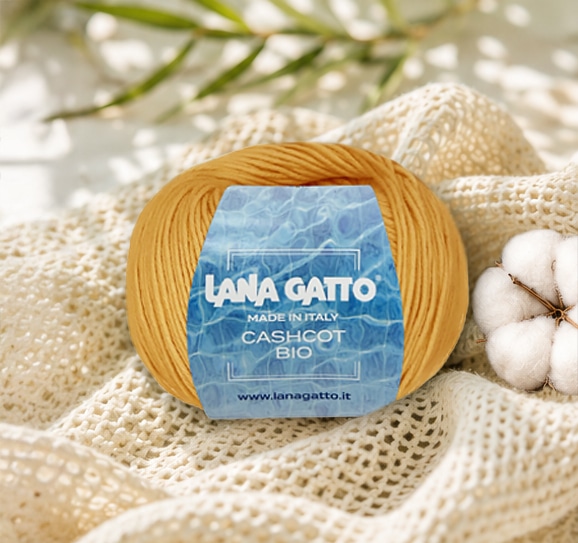
For your projects, try Sugar: 100% sugarcane, combining softness, shine, and silk-like elegance.
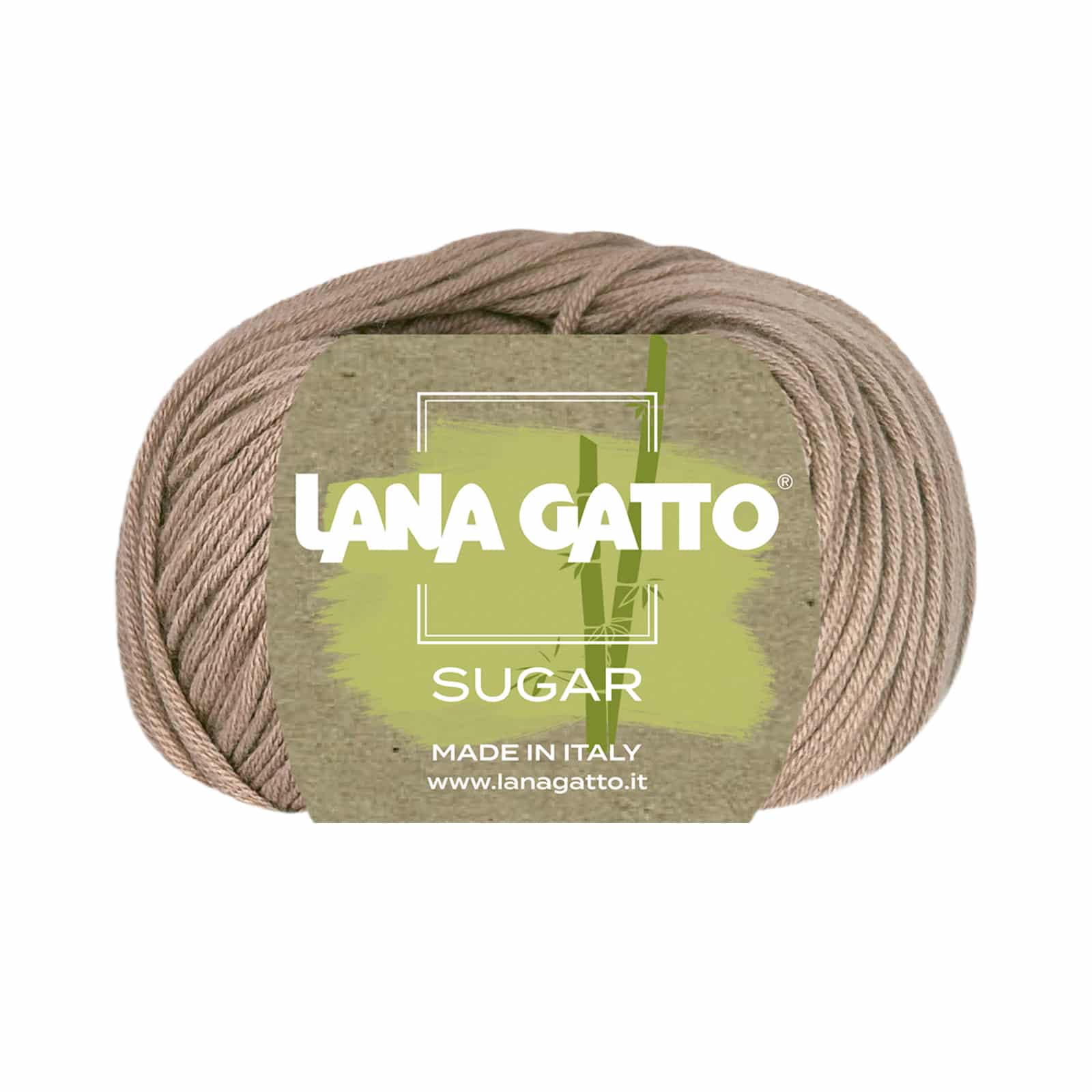
Explore the color palette and our free patterns.
Have a nice knitting!